

Pulmonary Embolism
The Silent Roadblock: Understanding Pulmonary Embolism

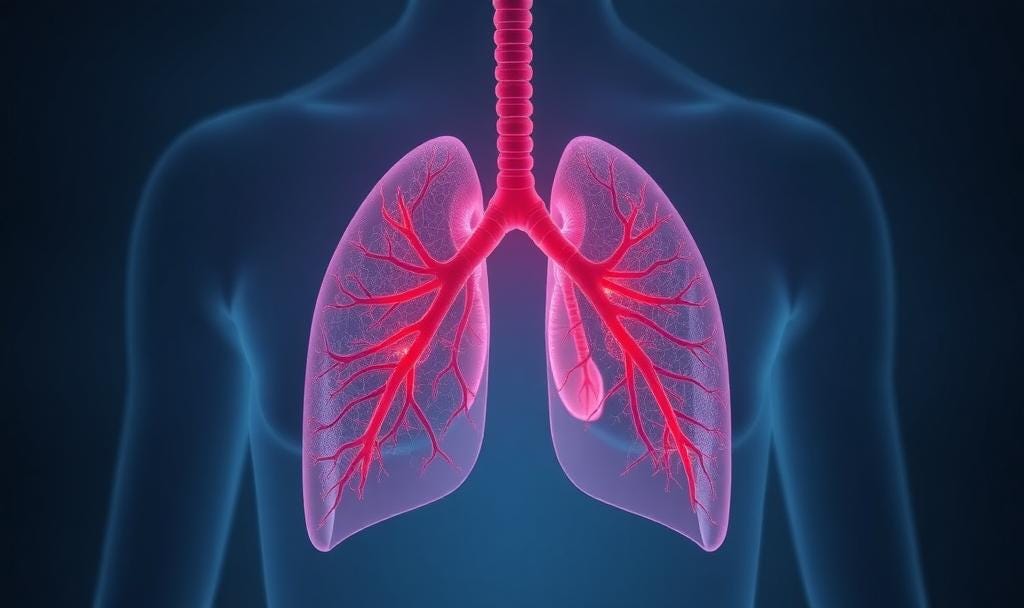
Sometimes, death doesn’t knock, it travels silently through the bloodstream.
The circulatory system is the body’s highway network, a complex map of roads delivering oxygen and nutrients to every cell. But what happens when a major traffic jam occurs in the lungs? This is the reality of a Pulmonary Embolism (PE) a sudden and often deadly blockage.
Pulmonary embolism (PE) is one of those medical emergencies that often hides behind ordinary symptoms, a little shortness of breath, a sharp chest pain, maybe just fatigue after a long flight or surgery. Yet, behind these subtle signs could be a blood clot blocking the main pathway of life itself — the lungs.
A pulmonary embolism is defined as a blockage in one of the pulmonary arteries in the lungs, most commonly caused by a blood clot that has travelled from the deep veins in the legs.
What happens [Pathophysiology]
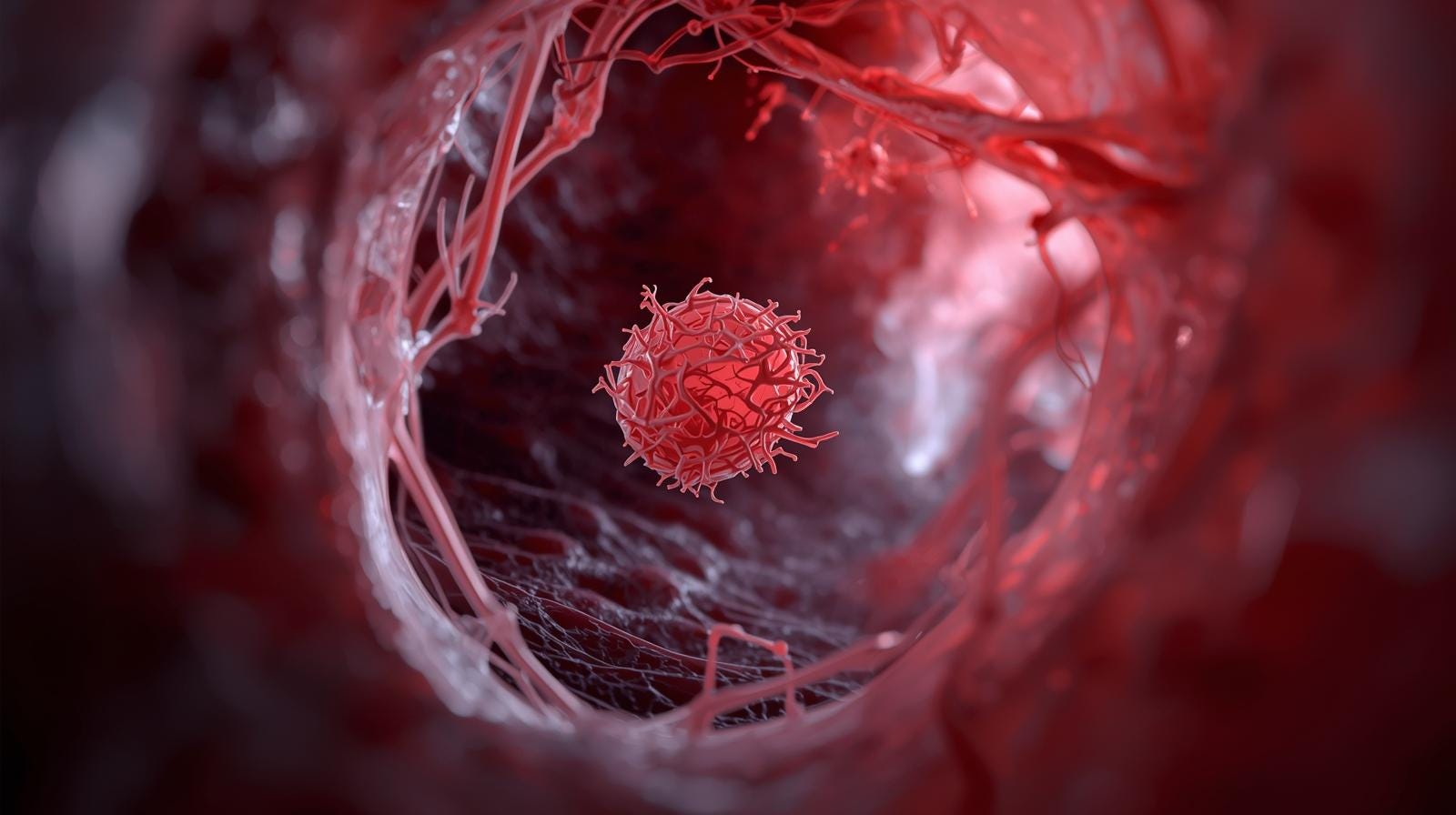
Normally, blood flows freely through our vessels, delivering oxygen and nutrients everywhere they’re needed. But sometimes, clots form often in the deep veins of the legs, a condition known as deep vein thrombosis (DVT).
When one of these clots breaks free, it can travel up through the veins, pass through the heart, and lodge in the pulmonary artery.
The lungs become starved of blood.
Oxygen levels drop.
The heart, especially the right side, begins to struggle against the sudden blockage.
And within minutes, what started as a clot in the leg can cause breathlessness, chest pain, collapse or even sudden death.
What triggers it?
This cascade can be triggered by anything that predisposes to clot formation.
Prolonged Immobility: long-distance driving, bed rest after surgery or Long flights
Hypercoagulable States: Underlying conditions or genetic predispositions that make the blood more likely to clot.
Surgery or Trauma: Particularly major surgeries involving the pelvis, hips, or legs.
Certain Medical Conditions: Cancer, heart failure, and COVID-19.
Other Factors: Smoking, obesity, pregnancy, and the use of oestrogen-containing medications {oral contraceptives}
Signs You Should Never Ignore
The symptoms can vary, but classic signs include a combination of the following:
S - Sudden Shortness of Breath.
C - Chest Pain. Typically sharp and stabbing, often worse when breathing deeply, coughing, or bending over.
R - Rapid Heart Rate. The heart races to compensate for the lack of oxygen.
E - Expectorating Blood. Coughing up blood or bloody sputum.
A - Altered Mental State. A sign of severe oxygen deprivation.
M - Massive Sweating & Light-headedness. Feeling dizzy, faint, or breaking out in a cold sweat.
If you experience a sudden onset of these symptoms, especially shortness of breath and chest pain, seek emergency medical care immediately.
Diagnosis and management
Pulmonary Embolism is confirmed through image test such as;
Computed Tomography (CT) Scan
Pulmonary angiography
D-dimmer test
Treatment/Management
Treatment usually begins with stabilizing the patient and drugs that thin the blood to stop more clots from forming;
Anti-coagulant
Thrombolytic agents to dissolve existing clots
Some patients may need oxygen support or even surgical removal of the clot (Thrombectomy).
Knowledge is Your Head Start
Take preventive measures, especially during long periods of sitting: stay hydrated, move your legs regularly, and wear compression stockings if at risk. If you have sudden, unexplained symptoms, act fast and voice your concerns clearly.
The Takeaway
A pulmonary embolism is not just a simple blood clot; it’s a cardiovascular emergency.
When we dismiss sudden shortness of breath as “just anxiety” or chest pain as “just indigestion,” we give a PE a dangerous head start. That’s why awareness matters. That’s why prompt care saves lives.
Stay aware,
[ADENIRAN OLUWASEMILORE]
P.S. Have you or a loved one been affected by a blood clot? If you feel comfortable, sharing your story in the comments can be a powerful source of support and education for others.
Learned
How does covid19 as a disease condition cause PE